Last Updated on September 24, 2026 by omgbart
From African Botanics to Vintner’s Daughter… These are my top picks.

Dry skin wasn’t an issue for me until my mid-40s. During a Tammy Fender facial, my aesthetician casually mentioned my skin was dry. Moving to Spain last year didn’t help. Turns out living in a warm, dry climate will absolutely compromise your moisture barrier. Never did I expect summer heat to be this brutal. The urban setting has a lot of lifestyle perks but increased UV exposure is self-care sabotage.
Face oils helped. A lot. I’m not saying they fixed everything, but if you’re here searching for the best face oils for dry skin, hear me out. A face oil, used correctly, can be an absolute game-changer. Unfortunately, most people apply (or layer) them wrong, which is why they end up looking slightly greasy without reaping the benefits.
This guide covers the best face oils for dry skin across all price points, plus the application techniques that actually work.

Dry vs Dehydrated Skin
Quick distinction: dehydrated skin lacks water, dry skin lacks oil.
Dehydration responds to mists, toners, and hyaluronic acid serums. Dryness needs lipids: fatty acids, ceramides, the whole moisture-binding crew. If your skin feels tight after cleansing but gets shiny by noon, you’re dehydrated. If it stays tight all day, you’re dry.

Why Face Oils Work
Face oils are ridiculously versatile, which is why I favor them over most face creams. My technique: apply 3-5 drops on a heavily misted face, mix with a hyaluronic acid serum, or cocktail with my moisturizer. This way the oil absorbs elegantly instead of just sliding around doing nothing.
The key is layering with water-based products. Oil alone has nowhere to go.

Oil First, Cream Second
Oil first, cream second. Always. The oil delivers moisture, the cream seals it in and prevents that shiny glazed-donut look nobody over 30 actually wants.
Yes, people argue about this order. They’re wrong. Even dry skin can be over-moisturized, and shiny tight skin isn’t the flex you think it is. Start with 3-5 drops and adjust from there.

Single-Ingredient Oils: When Less Is More
When you’re dealing with dry skin, the last thing you need is a complicated routine. Single-ingredient oils are often the smartest move—pure squalane, jojoba, or rosehip with nothing else competing for absorption.
But here’s where sourcing matters. Extraction method, processing temperature, and batch size directly impact an oil’s antioxidant potency and shelf stability. Cold-pressed, small-batch oils from artisanal producers cost more because they’re preserving the good stuff that gets destroyed in mass production. You’re paying for the care, not just the marketing.
This is why a $78 bottle of Le Prunier (single-ingredient, farm-to-bottle plum oil) performs differently than a $12 generic plum oil from Amazon. The INCI might look identical, but the execution isn’t.

African Botanics Neroli Infused Marula Oil
I cannot imagine a roundup without the African Botanics Neroli Infused Marula Oil. It’s been a constant in my routine for over a decade. Exquisite in composition, sourced in South Africa to ensure antioxidant potency. Chock-full of essential fatty acids, the silky formula plumps, protects, and revitalizes dull skin almost instantly. As an absolute neroli fanatic, I see the subtle fragrance as the ultimate indulgent touch. Worth every penny. I don’t ever want to be without it.
$120 (30ml) at africanbotanics.com, fwrd.com, or dermstore.com where my code OMGBART saves you 15-20% on most brands

Le Prunier Plum Beauty Oil
The cult favorite that sold out worldwide with a 30,000-person waitlist. One ingredient: plum seed oil from a family California farm. That’s it. Grown, pressed, and bottled on-site, which means you actually know where it comes from. The natural marzipan scent is divisive. You’ll either love it or find it weird. I’m in the love camp. Packed with omega fatty acids and vitamins A and E, it absorbs fast, never clogs pores, and works on every skin type including oily. Non-comedogenic, lightweight, and genuinely lives up to the hype.
$78 (1 oz) at leprunier.com where my code BART15 saves you 15% on total purchase
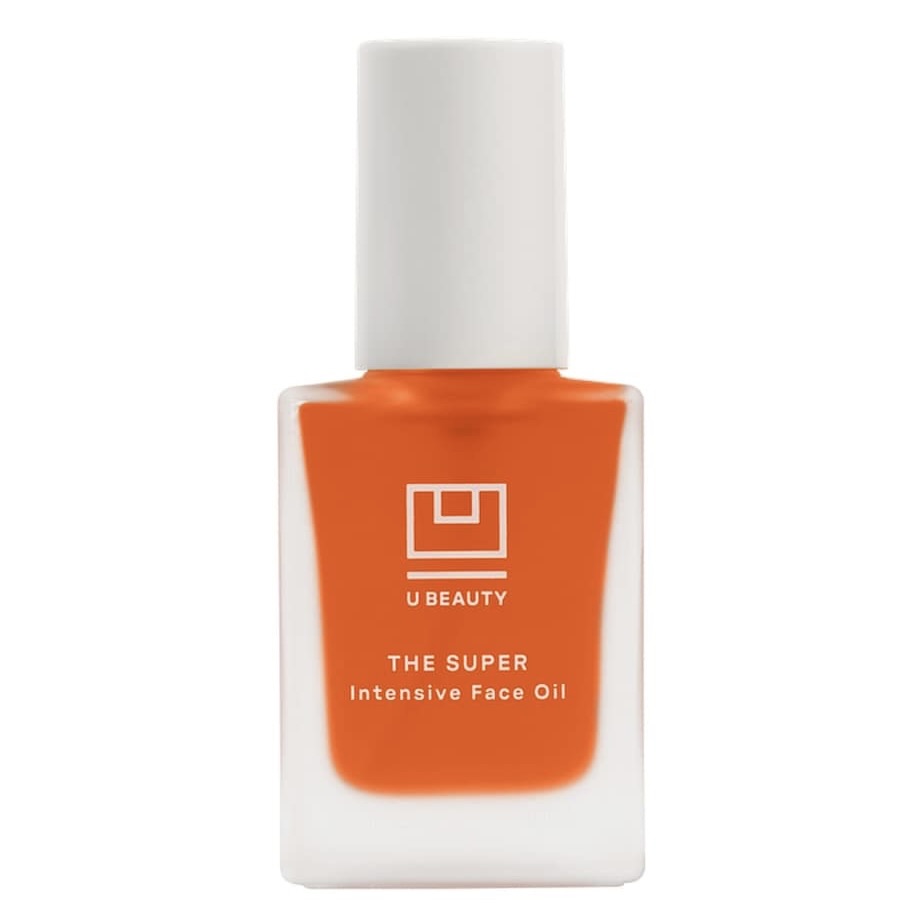
U Beauty The Super Intensive Face Oil
U Beauty’s THE SUPER Intensive Face Oil is less a traditional oil and more a serum-in-oil hybrid: a silky, robust texture built on Sweet Almond, Avocado, Rapeseed, Jojoba, and Sunflower Seed Oils, then boosted with brightening Vitamin C, Astaxanthin-rich Red Algae Extract, soothing Bisabolol, multi-weight Hyaluronic Acid, and exfoliating Papain, plus strengthening amino acids like Alanine and Proline. It’s fragrance-free and travel-friendly in a no-spill pump bottle. Unlike single-ingredient or pure oil blends, it delivers impressive anti-aging, oxidative-stress-fighting benefits alongside the expected hydration. A true standout.
$188 (30ml) at ubeauty.com as well as theubeauty.co.uk where my code OMGBART saves you 20%

Indie Lee Squalane Facial Oil
One ingredient: 100% olive-derived squalane. That’s it. No fragrance, no preservatives, no filler. Squalane mimics your skin’s natural sebum, which is why it absorbs without leaving residue or clogging pores. The texture is silky and lightweight, and it works on literally every skin type including oily and acne-prone. This is the gateway oil. Foolproof, unfussy, and reliable. If you’re new to face oils or just want something that performs without requiring a chemistry degree, start here.
$38 (30ml) at indielee.com, thedetoxmarket.com, grove.co or dermstore.com

Activist Mānuka Green Botanical Face Serum
I’m a huge fan of Activist’s Mānuka Honey Mask, a genuine dry skin savior, so this oil was an easy yes. Wildcrafted in New Zealand, it’s built around Mānuka oil for antibacterial healing and blue tansy to calm redness. The opulent green color comes from algae and botanicals, which sounds precious but actually delivers. What makes this one different: it feels lightweight and absorbs fast without leaving that heavy, oily film most face oils insist on. One of very few formulas I can wear during the day without feeling glazed.
$85 (30ml) at activistmanuka.com or beauty-heroes.com.

Mad Hippie Antioxidant Facial Oil
This Mad Hippie find is proof that a good face oil doesn’t require a triple-digit price tag. Fans of argan will be thrilled because this botanical medley comes in a lush argan oil base to deliver fatty acids and hydration. Next up, is a blend of more than a dozen antioxidant-rich extracts: sea buckthorn, camu camu, açaí, goji, grape seed, hemp seed, and more. Camu camu alone is one of the most concentrated natural vitamin C sources out there. The texture absorbs fast and leaves you glowing, not shining. It’s a great option to combine with your milky toners for an instant boost of deep moisture. The subtle citrus aroma is very pleasant and does not linger.
$26.99 (30ml) at ulta.com or iHerb.com
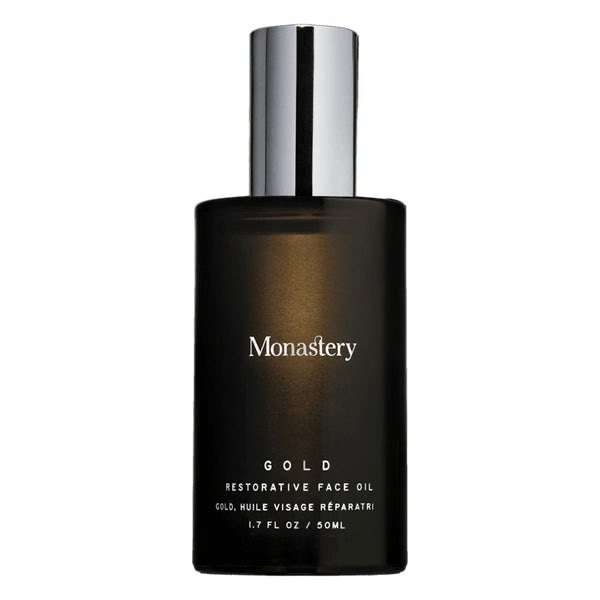
Monastery Gold Restorative Face Oil
Monastery did not become an it brand overnight. The slow climb was paved with formulas that impressed me over the years, like the XX Rose Glycolic Gel I still think about and should probably repurchase. The Gold Restorative Face Oil is the one to reach for when you want something decadent. Sandalwood does the purifying work, while red raspberry and rosehip add heft to the texture and antioxidant protection to the performance. It is built to nourish, soothe, and revitalize, and on my skin it settles into a cushioned, lit-from-within finish rather than anything greasy.
If you already love the mood of the brand, the scent will seal it. It hovers between floral, earthy, and herbaceous, and it reads as a signature part of the treatment.
$164 (50ml) at monasterymade.com, beauty-heroes.com, violetgrey.com or DOTSHOP.ai where my code BART20 should give you 20% off
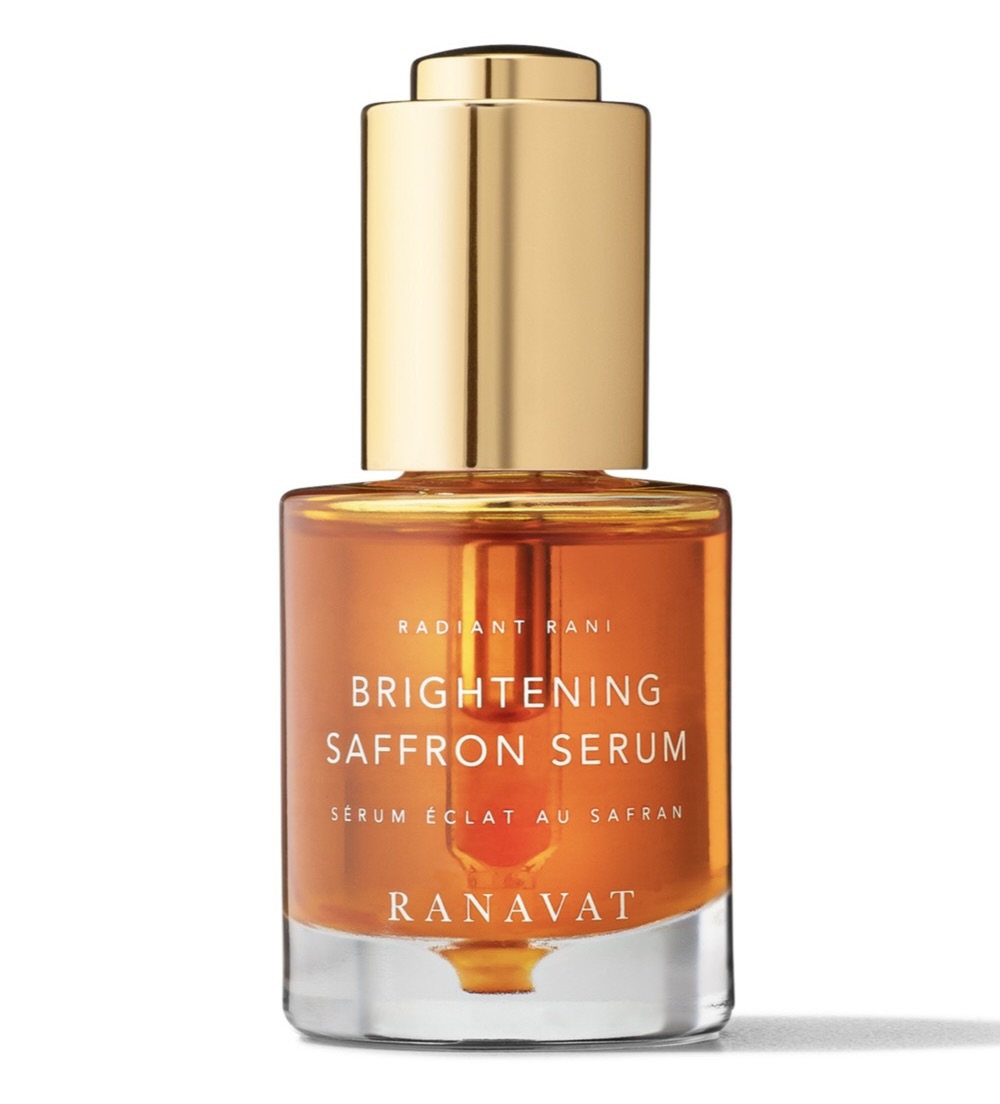
Ranavat Brightening Saffron Serum
Despite the name, this is a face oil, built on sesame and rice bran oils and carrying saffron, manjishtha, turmeric, licorice, and vitamin E, with rose otto behind the intoxicating scent. It’s lighter than that list suggests: three to five drops sink in within a minute and leave skin looking lit, never slick. The glow is immediate, the work on uneven tone and hyperpigmentation is gradual, and the rose-forward scent makes application feel like a ritual. It’s for skin that isn’t broken, just tired.
$135 (30ml) or a travel mini $35 (5ml) at ranavat.com, sephora.com, and SpaceNK.com.
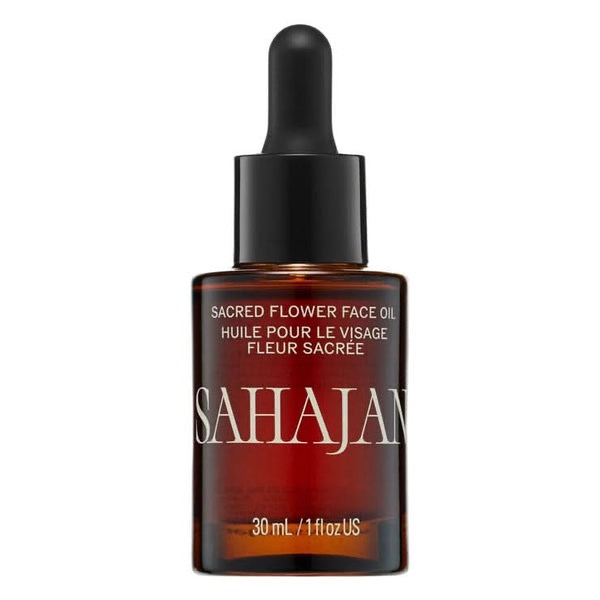
Sahajan Sacred Flower Face Oil
Sahajan blew me away with their toner a few years ago. So when the brand launched a revamped version of their face oil, I was ecstatic. The Sacred Flower Oil is formulated around the namesake botanicals and highlights both the full plant and flower extract. In other words, it’s a headline active carrying flavonoids and antioxidant load, not a trace botanical rounding out the label. It promises to help with brightness and uneven tone while softening and helping to firm the skin.
The lotus gets the name, but it isn’t the only active worth talking about. Sahajan pairs it with bakuchi, the botanical the industry likes to call nature’s retinol alternative, and that’s where the formula gets more interesting.
$58 (30ml) at sahajan.com, beauty-heroes.com, thedetoxmarket.com, and credobeauty.com.
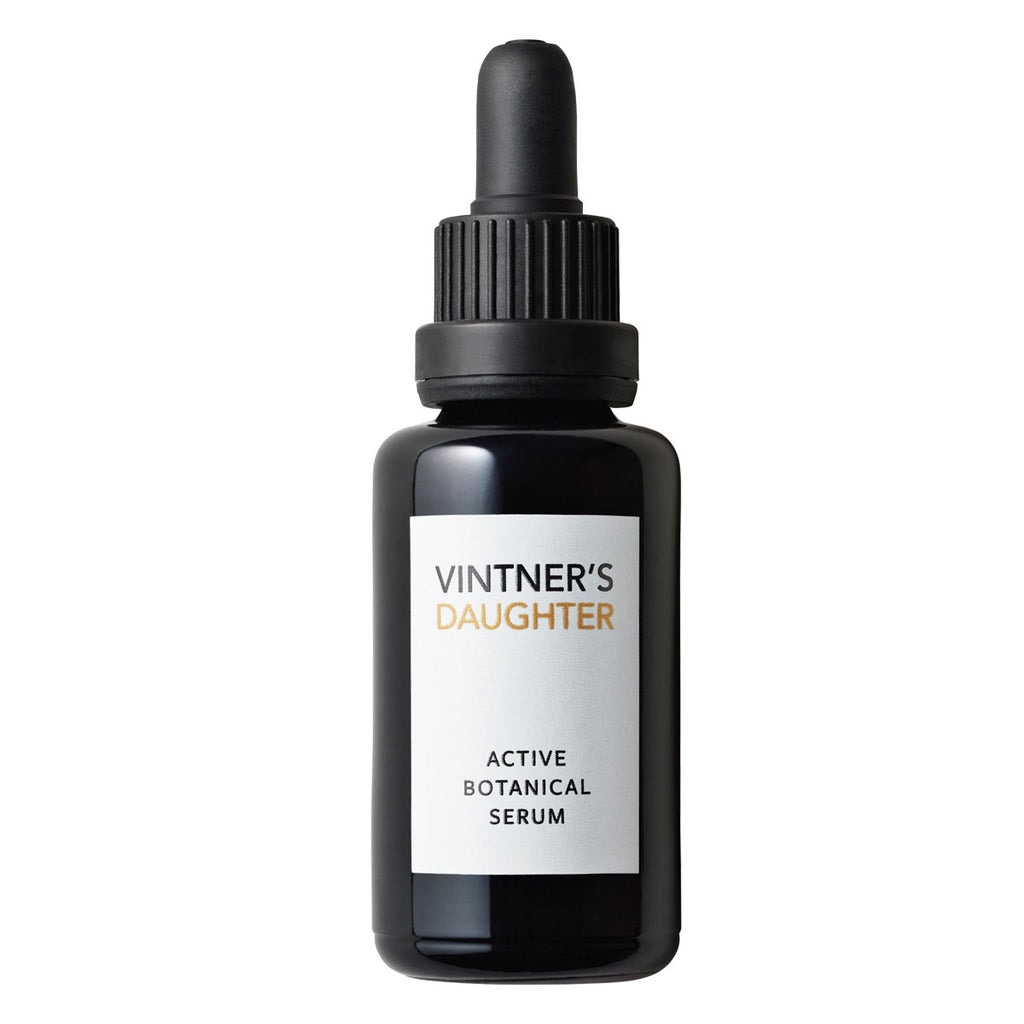
Venter’s Daughter Active Botanical Serum
Vintner’s Daughter Active Botanical Serum is one of the rare products that actually justifies the cult label, and nearly a decade in it has never left my routine for long. The formula is built on 22 botanicals chosen for nutrient density and extracted via enfleurage, a slow method borrowed from perfumery that keeps each plant compound intact, and the result is a medium-weight golden oil that absorbs cleanly rather than sitting on top of the skin. The scent is dense and herbaceous, fresh and complex at once, and it will not be for everyone, so sample first if you are sensitive to that profile.
$215 (30ml) at vintnersdaughter.com, violetgrey.com, geebeauty.com or cultbeauty.com (240.00€)
Frequently asked questions
Can you use face oil if your skin isn’t dry?
Yes — face oils aren’t exclusively for dry skin. Oily and combination skin types can benefit too, particularly from lightweight non-comedogenic options like squalane or jojoba. The key is choosing the right formula and using less of it. A single drop mixed into a moisturizer or layered under SPF can add barrier support and glow without tipping oily skin into congestion. Dry skin needs more oil more often. Everyone else just needs the right one used sparingly.
What is the difference between a face oil and a serum?
Traditionally a serum is water-based and targets specific concerns like brightening or firming, while a face oil is lipid-based and focused on moisture and barrier support. But the lines have blurred significantly. Brands in the eco-luxe space — Vintner’s Daughter is a great example here — increasingly refer to their face oils as serums to signal treatment-level performance. And they’re not wrong. A well-formulated botanical oil with concentrated actives delivers results that compete with traditional serums. The name matters less than the formulation.
Can face oil replace moisturizer?
Probably not. A face oil delivers lipids and locks in moisture but most lack the humectants — glycerin, hyaluronic acid, sodium PCA — that draw water into the skin in the first place. Think of moisturizer as the hydration and oil as the seal. They work best together. The exception is very dry skin in a very dry climate where a rich botanical oil over a misted face can genuinely replace a cream — but it’s a specific circumstance not a universal swap.
Should you use face oil morning or night?
It depends on your skin type and what your skin needs that day. At night heavier botanical oils have hours to absorb and repair undisturbed — ideal for dry or compromised skin. In the morning lighter oils like squalane work well under sunscreen without leaving a greasy finish. In dry climates or during winter morning oil use makes more sense. In humid conditions or on oily skin days keep it to evenings.
Does climate affect how face oil performs?
More than most people realize. In dry climates the skin is already thirsting for lipids so oils absorb efficiently and feel comfortable. In humid conditions the same oil can sit on the surface and feel heavy or greasy. Temperature matters too — cold air strips natural oils faster making richer botanical blends more appropriate in winter. Lighter options like squalane work better in heat. Your face oil rotation should shift with your environment not just your skin type.
How long does it take for face oils to work?
Immediate softness and surface hydration are noticeable from the first use. Deeper results — improved texture, reduced tightness, more resilient barrier — typically take two to four weeks of consistent use. The skin renews itself roughly every 28 days so giving any new oil at least a full cycle before judging is the right approach.
So which face oil should you actually buy?
The expensive ones aren’t always better but the cheap ones aren’t always good enough either. Find one that actually addresses your skin’s specific needs, commit to it long enough to see results — at least four weeks — and adjust your application as your skin and environment change. That’s it.
Affiliate disclosure: Some of the links in this post are affiliate links, meaning I earn a small commission if you buy through them—at no extra cost to you. I only link to products I’ve actually used or think are worth your money.

